


Recording operational data is an integral part of every business, especially those in production and services. In recent decades, there has been a significant shift in how this data is recorded and managed. From manual methods that often take time and are prone to errors, many companies are now switching to more efficient digital recording systems. This article will review the evolution of operational data recording, the transition from manual to digital, and how Digital LogSheet plays a role in this transformation.
Why is Data Recording Important?
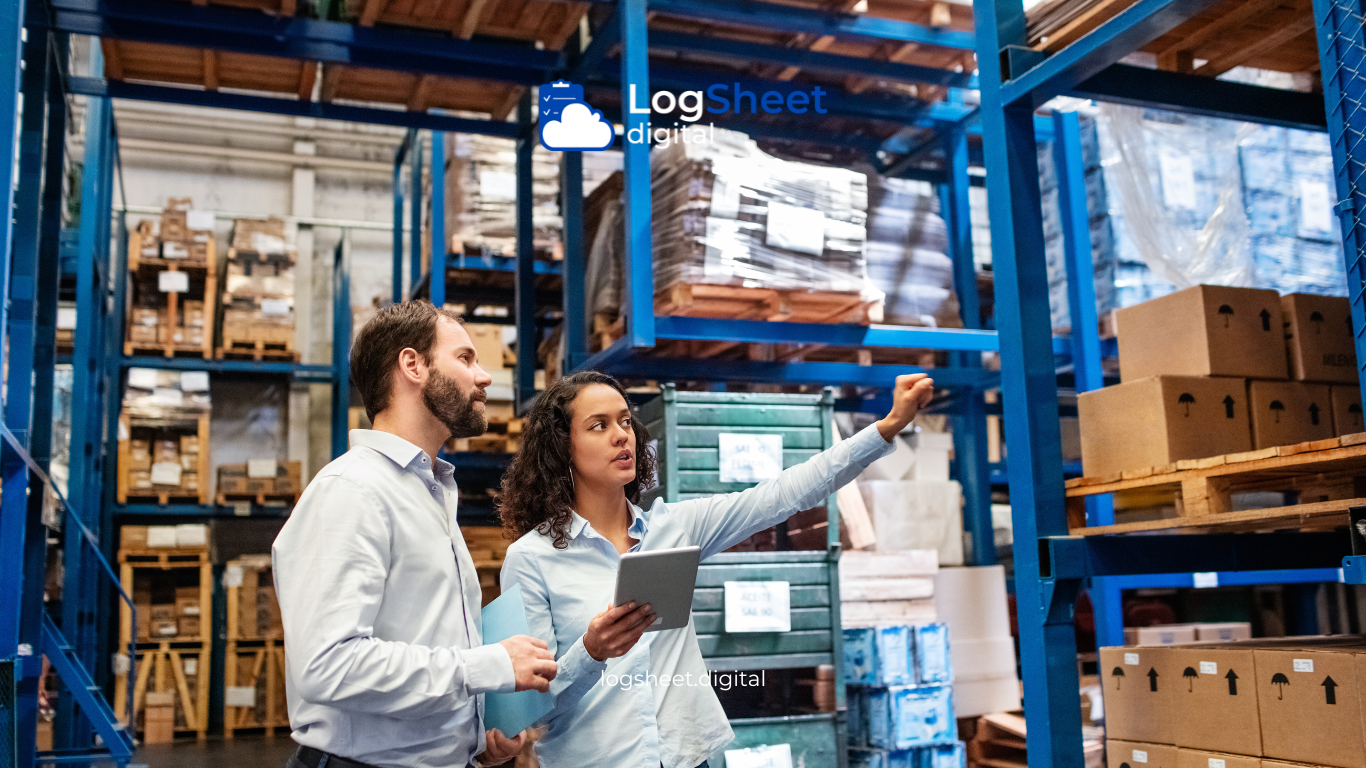
Good data recording is the foundation for effective decision-making. Operational data provides insights into how a company functions, productivity analysis, and goal fulfillment. With accurate recording, companies can:
- Improve process efficiencies
- Minimize errors
- Regularly evaluate performance
- Meet applicable regulatory requirements
Challenges of Manual Recording
Before digitization, data recording was done manually in many companies. Some of the tricky challenges faced were:
- Time Consumed: Manual recording takes a lot of time and resources.
- Human Errors: It is not uncommon to encounter recording errors that can affect data integrity.
- Accessibility: Data is difficult to access or analyze if stored in physical formats.
Evolution of Operational Data Recording
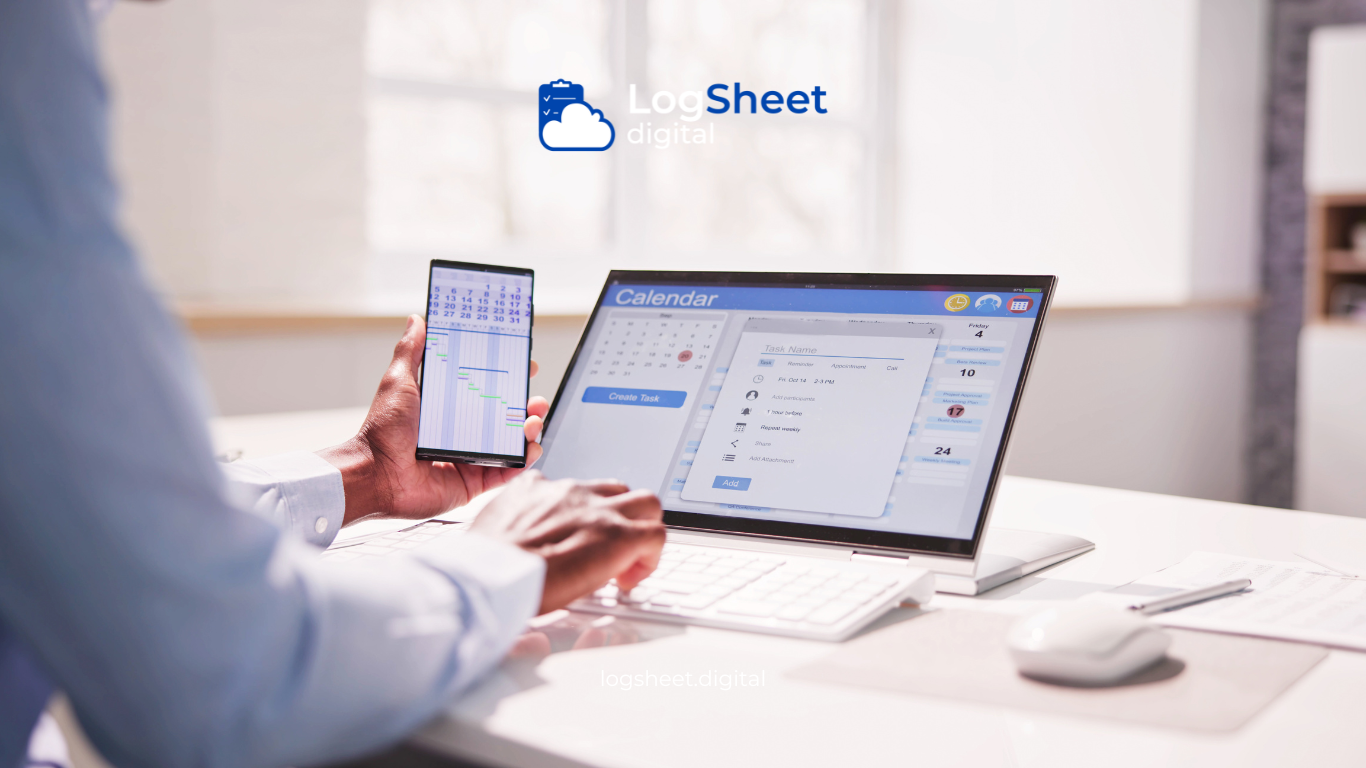
1. Manual Era
In the past, data recording was done by hand on chalkboards or notebooks. This approach often took time and required more administrative effort to manage and store.
2. Early Digitalization
The advancement of information technology brought data recording into the digital era. The use of spreadsheets like Microsoft Excel allowed for faster data recording and reduced many errors. However, challenges remained due to limitations in collaboration and accessibility.
3. Development of Digital Recording Technologies
With advancements in software and specialized solutions like Digital LogSheet, data recording has significantly evolved. These platforms offer better integration, faster data processing capabilities, and more robust analytical tools compared to previous methods.
Understanding Digital LogSheet
Definition and Functionality
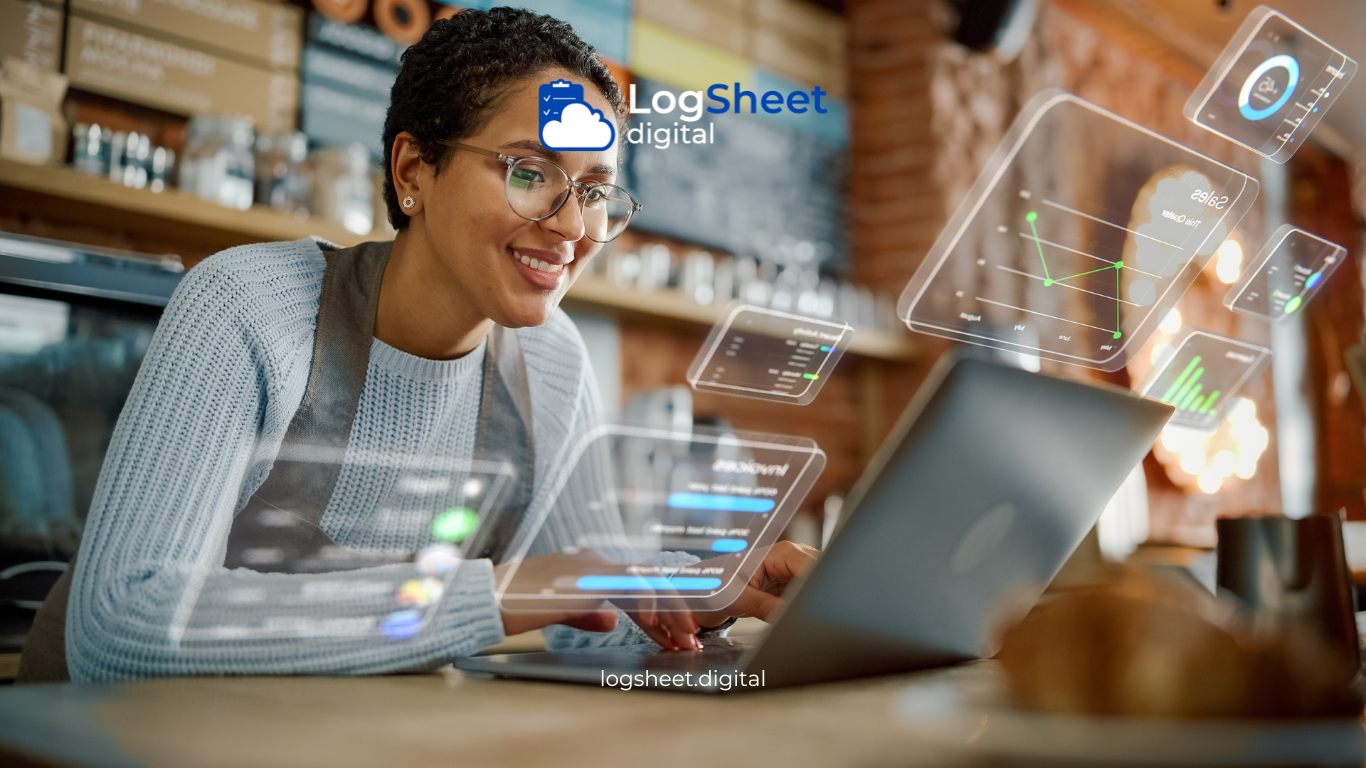
Digital LogSheet is a cloud-based platform designed to efficiently record, manage, and analyze operational data. This tool creates a user-friendly recording environment, allowing users to create and fill logs in a digital format.
Key Features of LogSheet
- Automated Recording: Reduces the risk of human error in capturing data.
- Real-Time Access: Allows quick and accurate data access from anywhere.
- Dynamic Reporting: Generates customizable reports based on collected automagically data.
- Easy Integration: Interacts with other systems to create more efficient workflows.
Steps to Implement Digital LogSheet
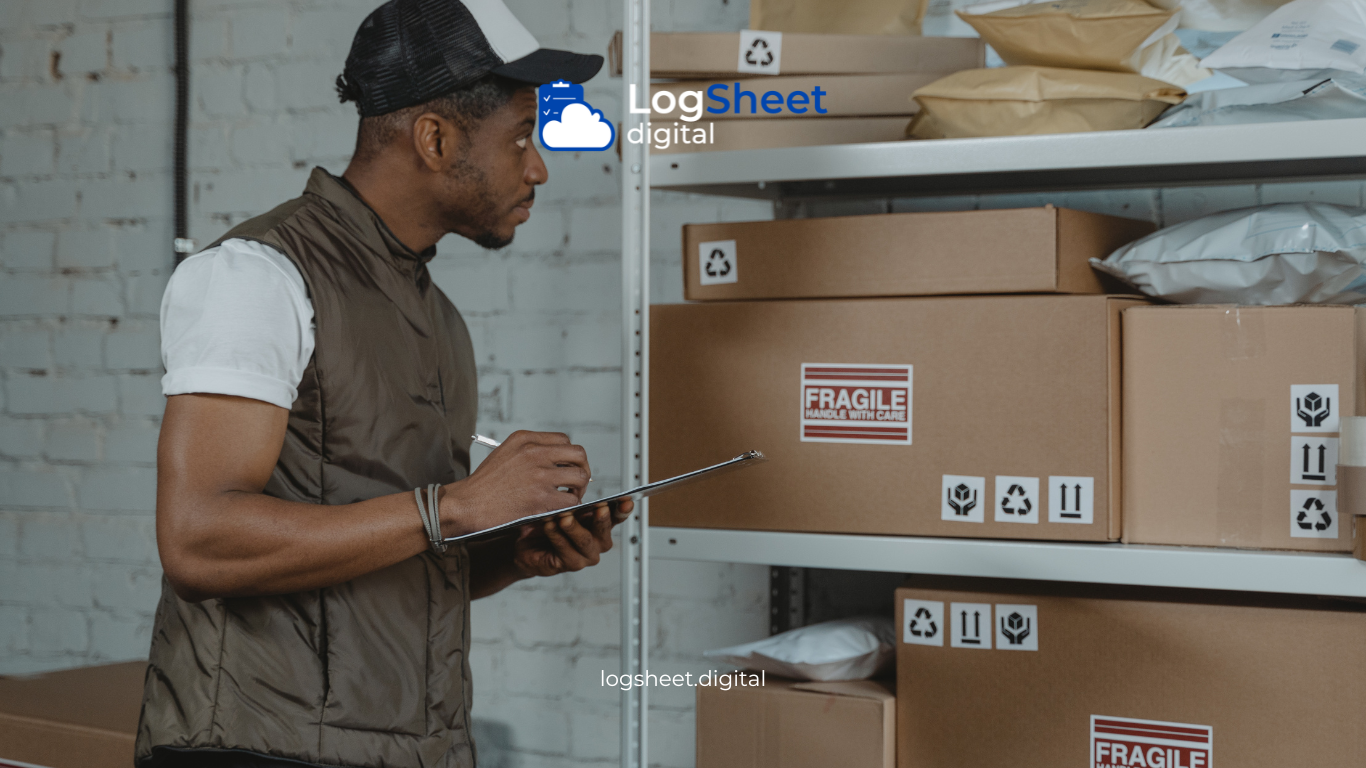
1. Needs Analysis
Before starting, companies should first conduct a needs analysis. Identify what types of data need to be recorded, who will use it, and how the information will be processed.
2. Create an Implementation Plan
After the analysis is done, create a detailed implementation plan. This includes setting timelines, budgets, and human resources needed during the implementation process.
3. Conduct Training
Training employees is crucial to ensure all users understand how to use Digital LogSheet. Good training will enhance user experience and system effectiveness.
4. Monitor and Evaluate
Once the system is implemented, conduct monitoring and evaluation regularly. Gathering feedback from users allows the company to make the necessary adjustments to improve the system.
Benefits of Digital LogSheet Across Industries

1. Manufacturing Sector
Digital LogSheet assists in accurately recording production and quality data. It facilitates monitoring to ensure that all quality standards are met, enabling analysis for continuous process improvement.
2. Healthcare Sector
In healthcare services, LogSheet is used to record patient medical histories and medication notes. With a digital system, access to information becomes faster and more accurate, supporting critical decision-making in patient care.
3. Energy Sector
Companies in the energy sector utilize LogSheet to monitor energy consumption and emissions. With valid data, companies can formulate strategies to become more efficient and maintain compliance with existing regulations.
4. Transportation Sector
LogSheet in the transportation sector helps record vehicle usage and fleet performance. With proper monitoring and analysis, companies can optimize routes and reduce operational costs.
Conclusion
Digital LogSheet is an essential tool that not only enhances data recording but also transforms how companies operate. With more accurate data and real-time access, companies across various sectors can improve operational efficiency and achieve greater success.
The digitization of recording is an important step toward sustainability and innovation. Adopting technologies such as LogSheet benefits not just the companies but also contributes to a cleaner and more sustainable future.



comments (0)