


In the industrial world, smooth and efficient operations are essential for success. However, one major obstacle that often arises is human error. These errors can occur due to various factors such as fatigue, negligence, lack of training, or even mistakes in manual data recording. The impact can be significant, ranging from process delays, machine damage, to major financial losses.
To address this issue, companies are starting to transition to digital transformation, including in operational recording processes. One proven effective solution is the use of digital log sheets. This article will discuss how digital log sheets can reduce human error, improve work efficiency, and provide a positive impact on industries as a whole.
What is a Digital Log Sheet?

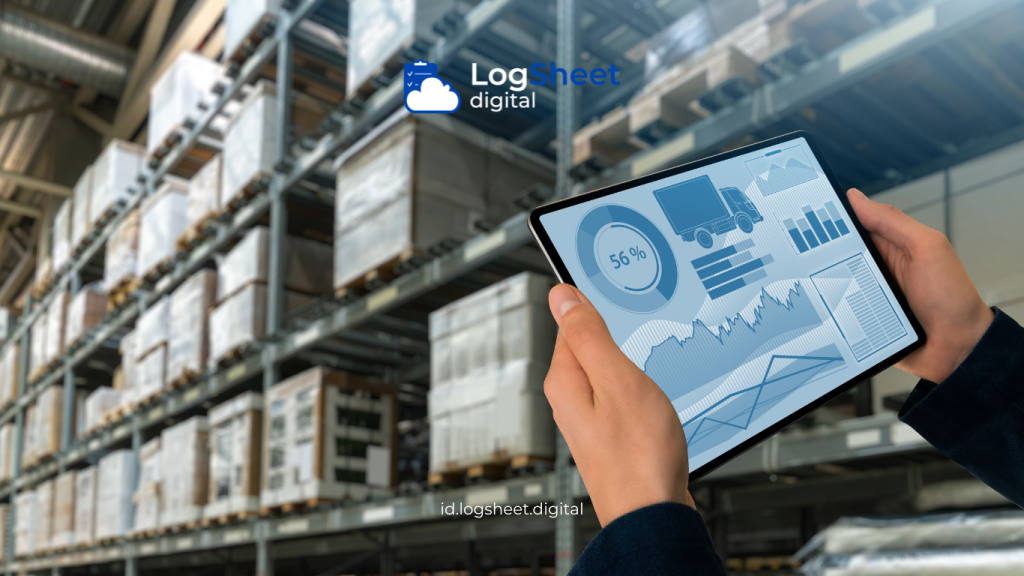
A digital log sheet is a form for recording operational activities that is created and accessed digitally using devices such as computers, tablets, or smartphones. Unlike traditional paper log sheets, digital log sheets allow for automatic, structured, and well-documented recording within a digital system.
Common features of digital log sheets include:
- Real-time data input
- Automatic validation
- Integration with sensors or IoT
- Cloud storage
- Automated reporting and data history
With these features, digital log sheets not only replace paper but also enhance the accuracy and efficiency of data recording processes.
Common Causes of Human Error in Manual Recording
Before discussing the solutions, it is essential to understand the main causes of human error in manual operational recording:
1. Writing Errors
Employees recording data manually may inadvertently write down incorrect numbers, units, or times. These mistakes can have significant consequences, especially if the data is used for decision-making.
2. Incomplete or Missing Data
Paper log sheets can be damaged, misplaced, or left incomplete due to being forgotten. This complicates efforts for teams to track activity history or machine conditions.
3. Lack of Validation
Manual forms do not have a validation system. This means that if someone enters implausible data (e.g., a temperature of 500 degrees in an office), it still gets accepted without any warning.
4. Different Interpretations
Illegible handwriting or inconsistent recording formats lead to subjective interpretations of data.
Solution: How Digital Log Sheets Reduce Human Error

Here are various ways digital log sheets help reduce human error in day-to-day company operations:
1. Automatic Validation and Input Limitations
Digital log sheet systems can be programmed to validate every incoming data. For example, temperatures can only be entered within the range of 0–100°C. If exceeded, the system will provide a warning or reject the data.
2. Mandatory Fields and Notifications
With digital log sheets, every field can be set to mandatory, ensuring that data is not submitted if any sections are left empty. Coupled with notification features, employees are reminded if they haven’t filled out the log sheet on schedule.
3. Automatic Timestamps
Data entered will automatically log the time and identity of the user inputting it. This reduces data manipulation and enhances accountability.
4. Integration with IoT or Sensors
Some digital log sheets can integrate with IoT devices, allowing data to be taken directly from sensors. For instance, machine temperatures can be recorded automatically without manual input. This almost eliminates the possibility of recording errors.
5. Format Consistency
Digital log sheets maintain a consistent format for all users, preventing errors caused by differing recording formats as seen with manual log sheets.
Other Benefits of Using Digital Log Sheets

1. Time Efficiency
With automatic entry and fast validation, the recording process becomes quicker and more efficient. Working time can be allocated to more productive activities.
2. Data History Tracking
Every piece of recorded data is neatly stored and can be easily traced. This is essential for audits, troubleshooting, or performance analysis.
3. Data Access from Anywhere
Because it is cloud-based, the digital log sheet can be accessed anytime and from anywhere. Supervisors do not need to be on-site to check data.
4. Cost Savings
Although there is an initial investment in devices and systems, digital log sheets reduce costs related to paper, ink, and administrative labor in the long run.
Conclusion
The use of digital log sheets is a strategic step in reducing human error and improving operational efficiency for companies. With features such as automatic validation, sensor integration, and real-time data tracking, digital log sheets can minimize the recording errors that frequently occur in manual systems.
While implementation requires investment and adaptation, the long-term benefits such as data accuracy, cost savings, and productivity improvements make digital log sheets an ideal solution in the era of Industry 4.0.
For companies looking to enhance competitiveness and reduce potential human errors, switching to digital log sheets is the right decision. With thorough planning and the appropriate technological support, this digital transformation will bring significant positive changes.





comments (0)