


Read Also : Digitalization of Daily Reports: Saving Time with Digital LogSheet
In an era of rapid digital transformation, companies are required to work faster, more accurately, and efficiently. One aspect that often becomes a bottleneck is the process of recording operational reports that is still done manually. This method is not only time-consuming but also prone to recording errors, data loss, and reporting delays.
The digitalization of operational reports through a digital LogSheet comes as a modern solution to these problems. By leveraging technology, the recording process becomes more structured, real-time, and easily accessible anytime. This article will discuss in detail how to implement LogSheet digital to improve efficiency in operational environments.
What is a Digital LogSheet and Its Role in Operations
Read Also : Work Report Digitalization: Why Digital LogSheet is Increasingly Needed
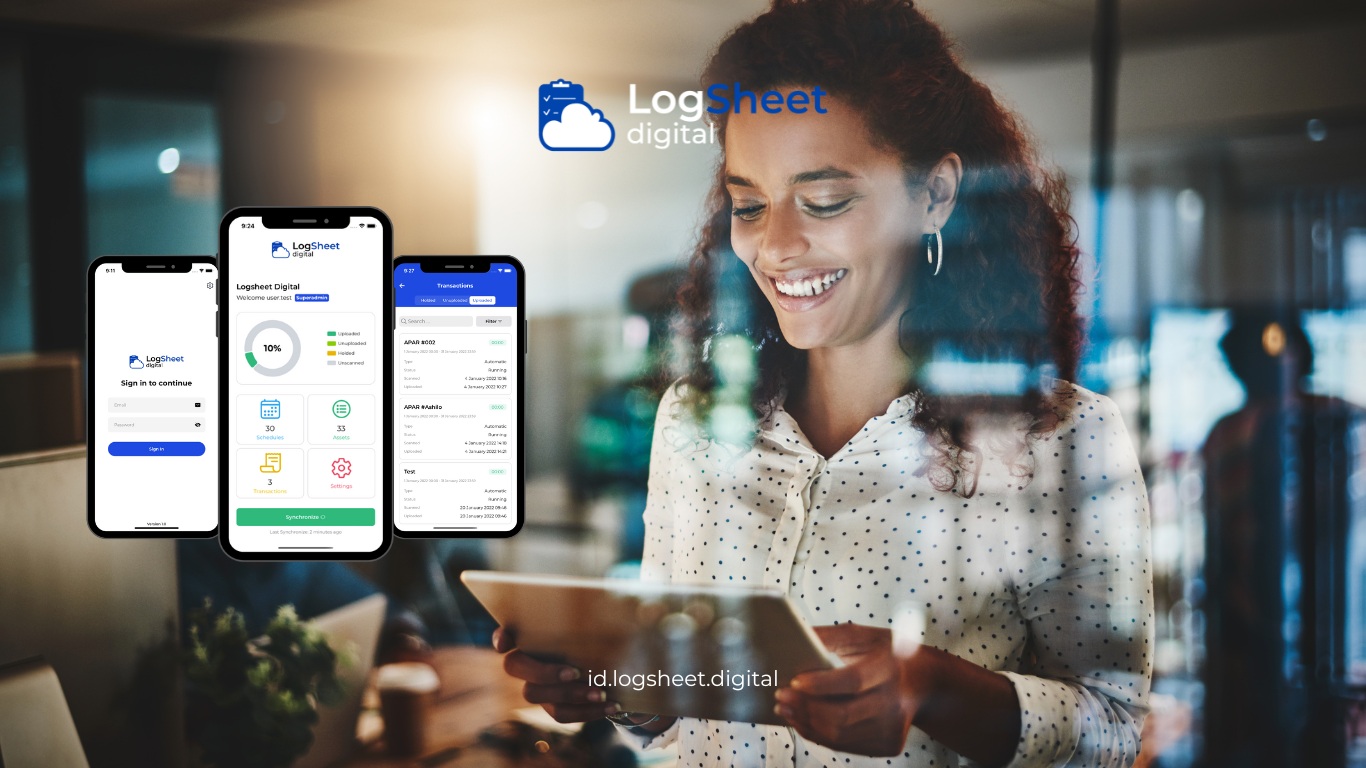
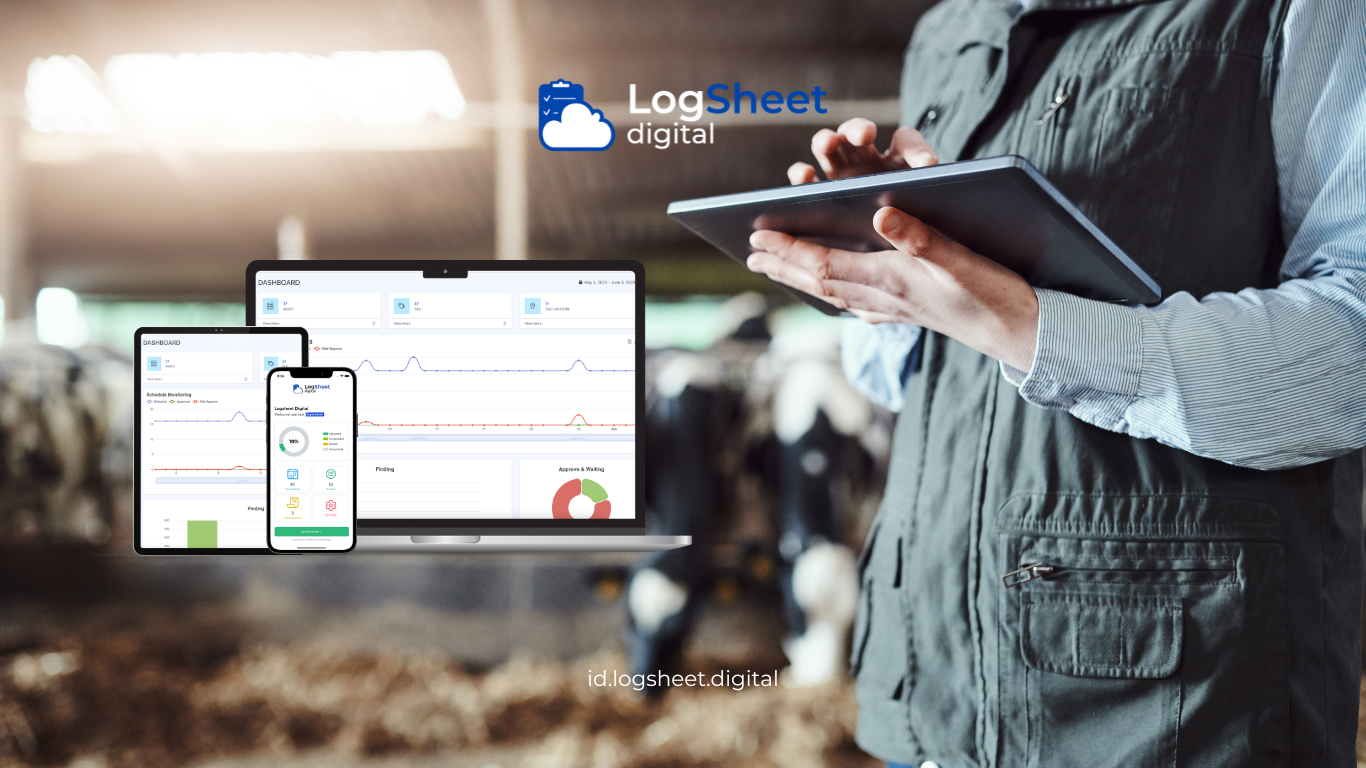
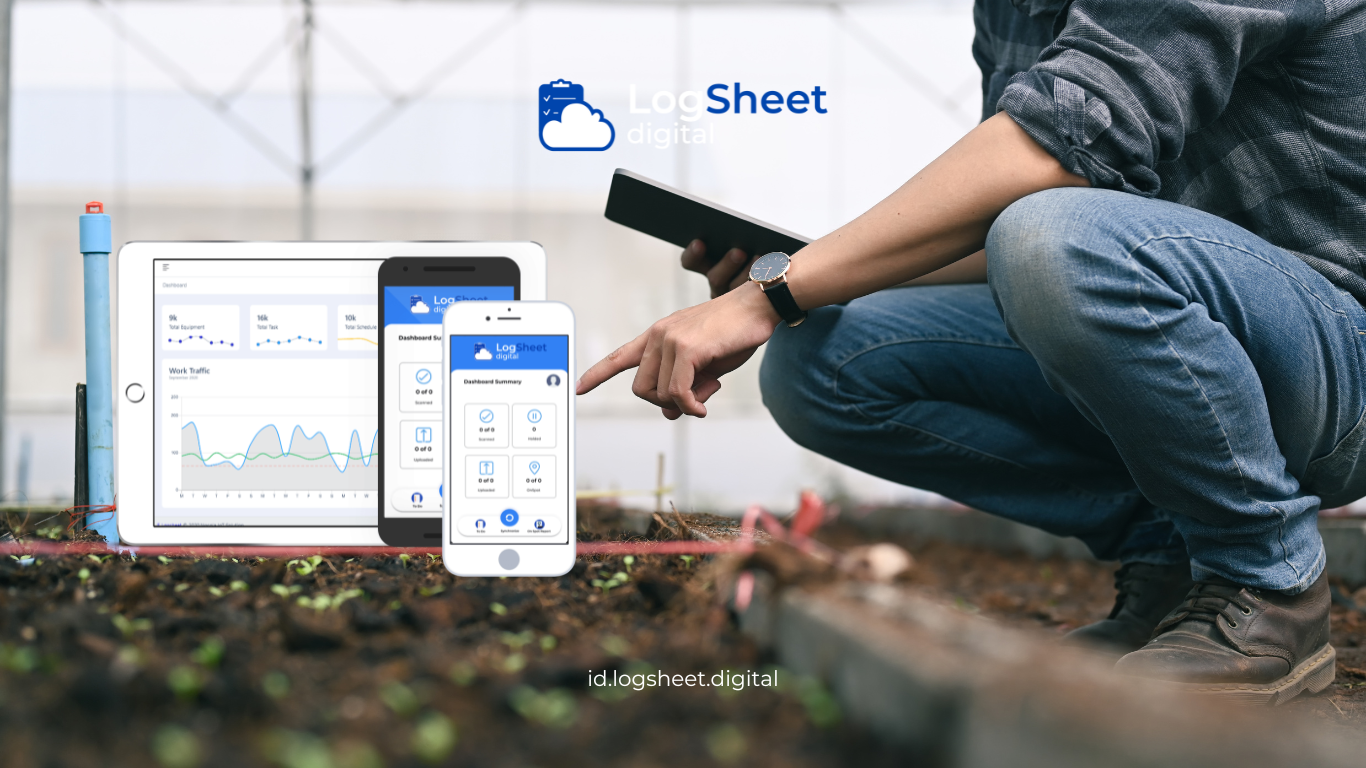
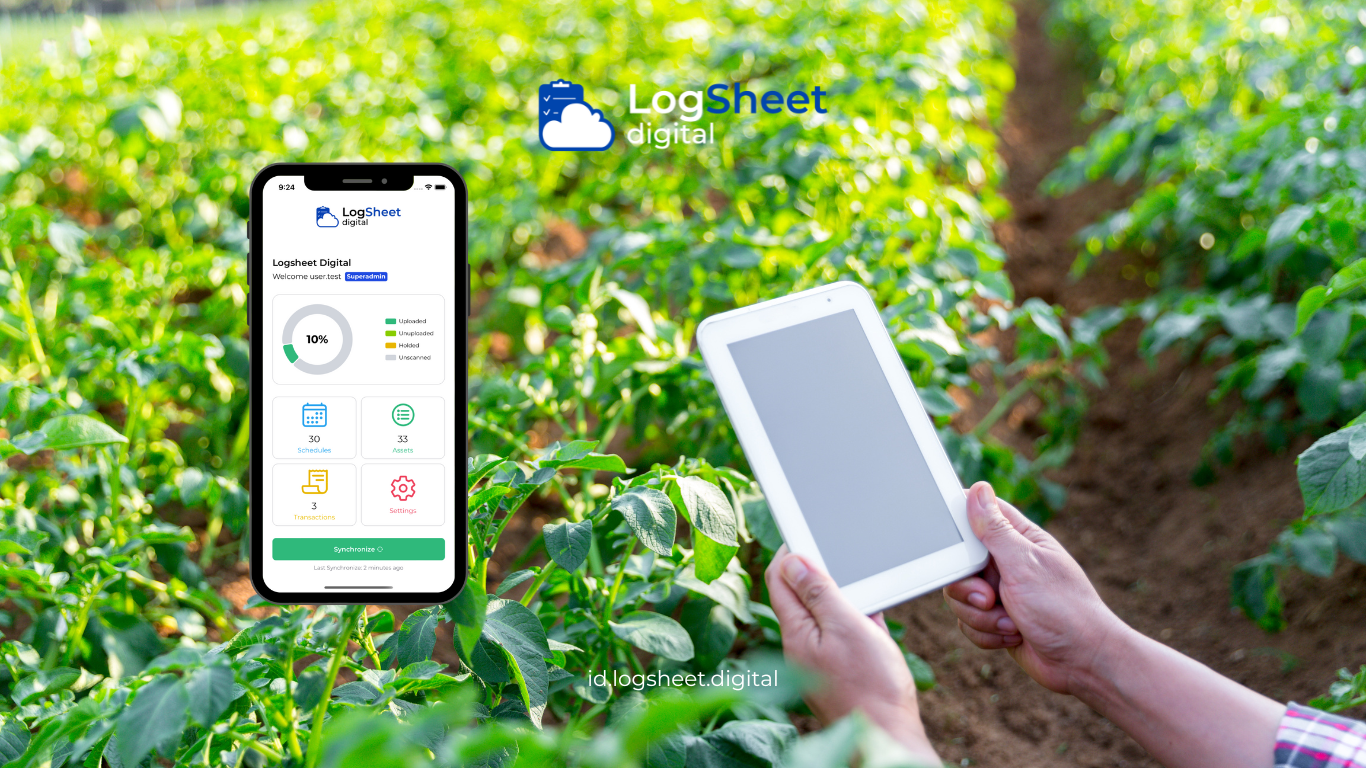
A digital LogSheet is a digital-based operational reporting system that replaces manual logbooks. It is commonly used to record daily activities, equipment conditions, operational parameters, and important events in operational processes.
Its role is crucial in supporting smooth operations. Data can be recorded directly through devices such as computers, tablets, or smartphones, allowing information to be automatically stored in a secure and centralized database.
In addition, digital LogSheets improve transparency. Each input includes a timestamp and user identity, making auditing and tracking easier in case of errors or incidents. Integration with other systems also enables deeper data analysis.
Challenges of Manual Operational Reporting
Read Also : Digital LogSheet Nocola: Improving Accuracy and Transparency
Before switching to a digital system, it is important to understand the common challenges of manual methods. One major issue is human error, such as incorrect writing, incomplete data, or even lost records.
Manual reports also require more time to process. Data must be recapped, checked, and compiled into usable reports, making the process inefficient, especially when performed daily on a large scale.
Limited accessibility is another challenge. Manual reports can only be accessed physically, making it difficult for teams or management to obtain information quickly. Delays in information can lead to poor decision-making.
Another issue is the lack of integration. Manual reports cannot directly connect with systems such as ERP or monitoring dashboards, resulting in missed opportunities for real-time data analysis.
Steps to Digitalize with a Digital LogSheet
Read Also : Digital LogSheet as a Practical Solution
To implement a digital LogSheet, several strategic steps are required. First, conduct an operational needs analysis by identifying what data should be recorded, who inputs the data, and how the reporting flow works.
Next, choose a platform that supports real-time data input, cloud storage, and system integration.
Then, design a simple yet comprehensive LogSheet format that suits operational needs.
Provide training to users so that all teams understand how to use the system effectively.
Finally, conduct regular evaluations and improvements based on user feedback.
Benefits of Digital LogSheet for Work Efficiency
Read Also : Faster and Integrated Reporting
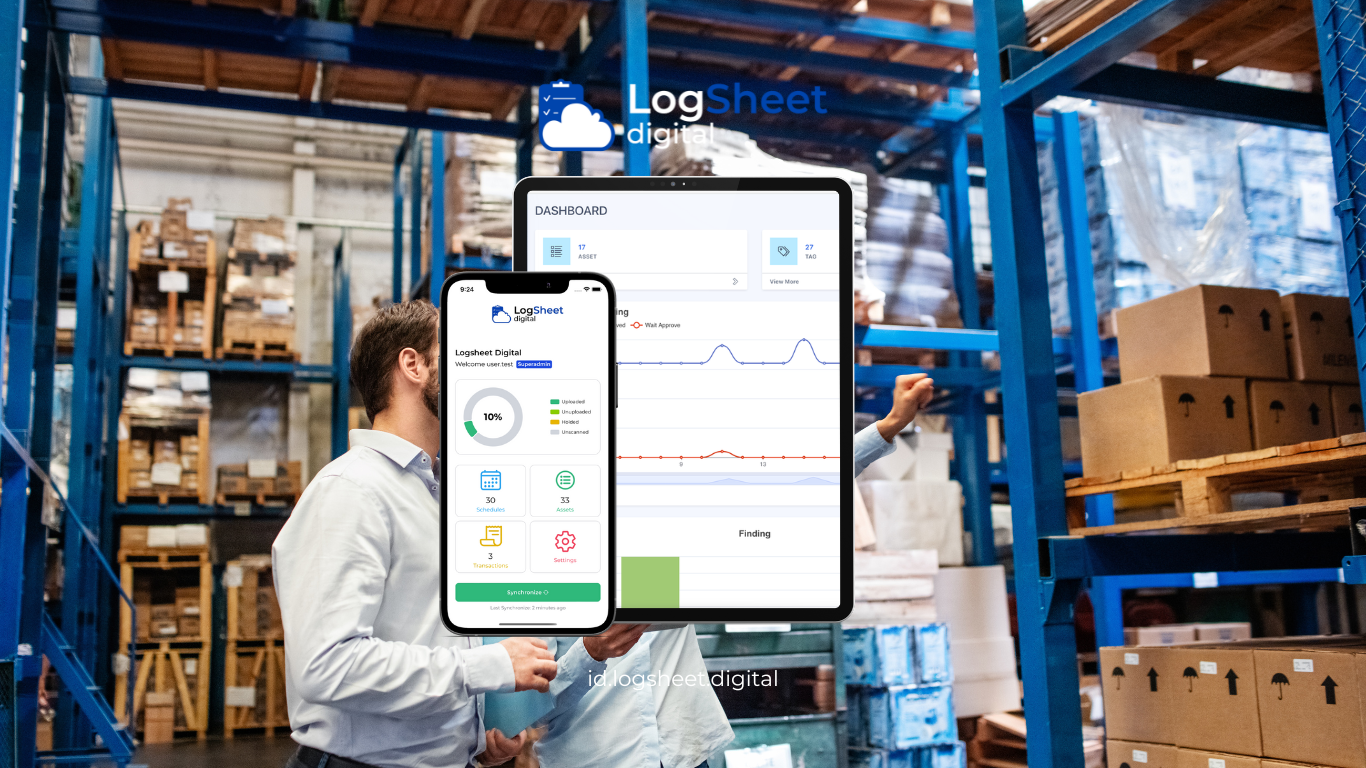
Implementing a digital LogSheet provides significant benefits. One of the main advantages is improved time efficiency, as reporting becomes faster through automation and real-time processes.
Data accuracy also improves, minimizing human error and ensuring consistency in recorded data.
It also allows easy access to information anytime and anywhere, improving team coordination.
Furthermore, it supports deeper data analysis to identify trends and improve overall operational performance.
From a security perspective, digital data is safer due to automatic backups and better protection systems compared to physical documents.
Tips for Successful Implementation
Read Also : Speeding Up Reporting Process
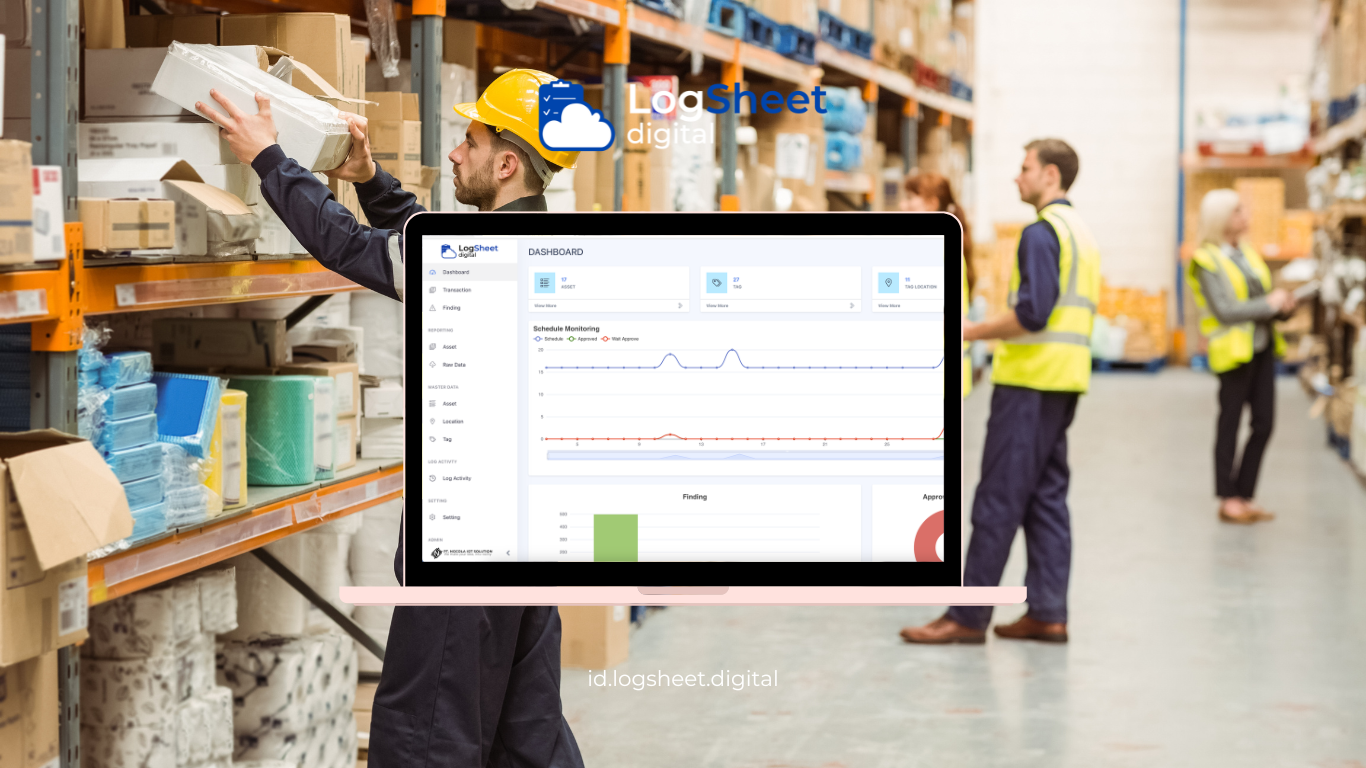
To ensure successful implementation, make sure there is strong management support. Without it, system changes will be difficult to apply effectively.
Choose a user-friendly system so teams can adapt quickly without major obstacles.
Implement gradually, starting from one division before scaling up.
Provide training and assistance so users feel comfortable using the system.
Lastly, perform regular monitoring and evaluation to continuously improve the system.
Conclusion
Digitalizing operational reports using a digital LogSheet is a strategic step to improve efficiency in the modern era. It enables faster, more accurate, and integrated processes.
With proper implementation, companies can enhance decision-making, productivity, and competitiveness.
It is time to transition to digital systems for more effective and efficient operations.




leave your comments