



Read Also : How Digital LogSheet Works
In today’s fast-paced and accuracy-driven work environment, companies need to adapt to digital systems to maintain team productivity. One solution that is increasingly being adopted is the Digital LogSheet, a technology-based operational recording system that significantly improves work efficiency.
However, implementing a digital work system cannot be done carelessly. A proper strategy is required to ensure that Digital LogSheet can be used optimally by the entire team. Without proper planning, even a good system will not deliver maximum results.
This article serves as a comprehensive guide for those who want to implement Digital LogSheet to improve team efficiency, from the planning stage to evaluation.
Understanding Team Needs and Work Processes

Read Also : Entering the Paperless Era: Easy Steps to Migrate to Digital LogSheet
The first step in implementing a Digital LogSheet is understanding the team’s needs and workflow thoroughly. Each team has different characteristics and operational requirements, so the system used must be tailored accordingly.
Identify the types of activities that need to be recorded, the frequency of recording, and the parties involved. This is essential for determining the right LogSheet structure.
Additionally, analyze common issues in the manual system, such as reporting delays or data input errors. By understanding these problems, you can design a more effective system.
This stage becomes the main foundation to ensure successful implementation aligned with expected goals.
Choosing the Platform and Designing the Digital LogSheet
Read Also : Digital LogSheet and Cloud Computing: A Combination for Maximum Efficiency
After understanding team needs, the next step is selecting the platform. Digital LogSheet can be created using various tools, from dedicated applications to cloud-based spreadsheet platforms.
Ensure the chosen platform has features that support operational needs, such as easy data input, automatic validation, and system integration capabilities.
In addition, the LogSheet design must be considered. Create a format that is simple yet complete, making it easy for all team members to use. Use a clear structure to maintain data consistency.
A good design simplifies recording processes and improves data accuracy.
User Training and Adaptation

Read Also : Daily Report Digitalization: Saving Time with Digital LogSheet
The success of Digital LogSheet implementation greatly depends on the team’s ability to use the system. Therefore, training is a crucial step.
Provide training for all team members on how to use the system, from data input to accessing reports. Ensure each user understands the benefits to increase motivation.
Also, allow time for adaptation. Transitioning from manual to digital systems requires adjustment, so support is essential during this phase.
Good communication is also necessary to overcome challenges during the adaptation process.
System Integration and Automation
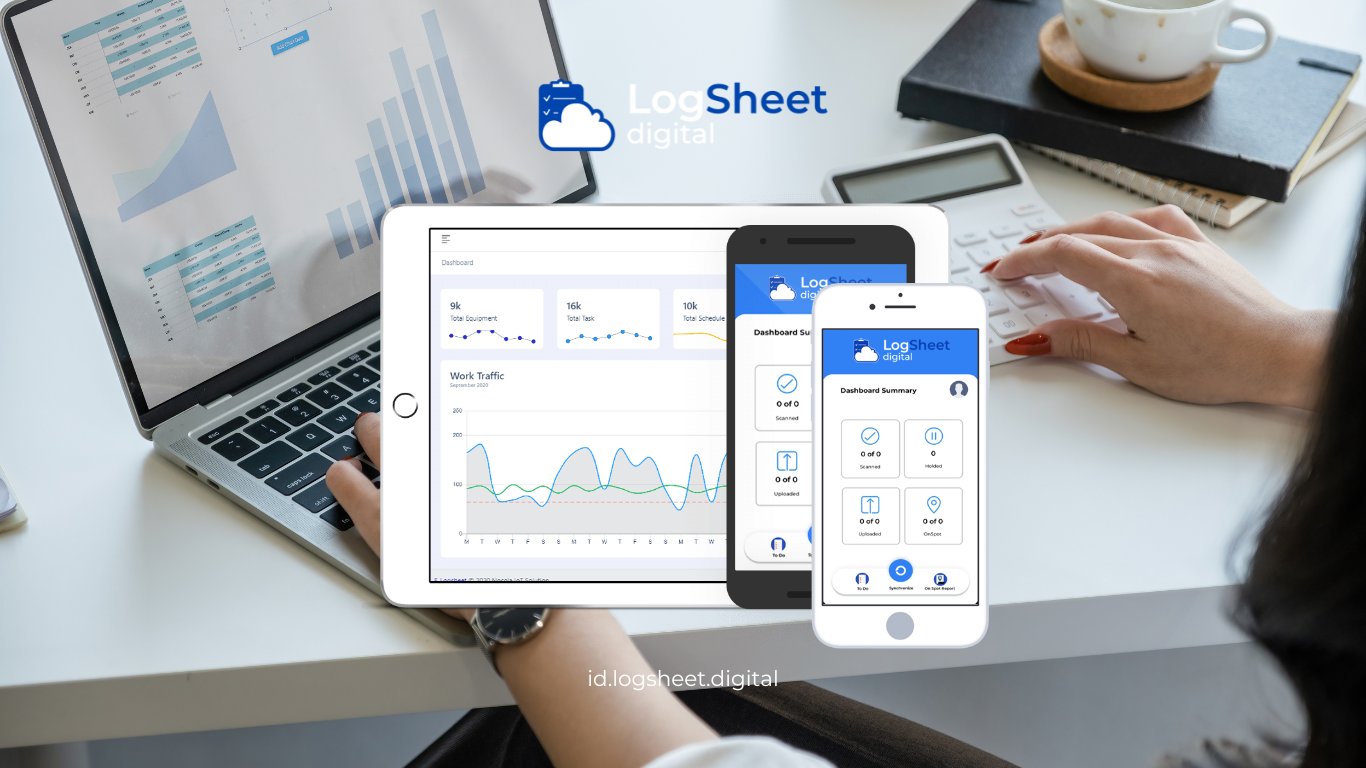
Read Also : Real-Time Dashboard: Automated Analytics from Digital LogSheet
To achieve maximum efficiency, Digital LogSheet should be integrated with other company systems such as project management tools, ERP, or internal databases.
Integration allows data to flow automatically without re-entry, saving time and reducing errors.
Additionally, utilize automation features such as automatic report generation or notifications to enhance efficiency.
Integration and automation are key to creating an optimal digital work system.
Monitoring, Evaluation, and System Development
Read Also : Logistics Management System with Digital LogSheet
Once the system is running, regular monitoring and evaluation are necessary to ensure it is used correctly and provides expected benefits.
Monitor system usage, identify issues, and collect feedback from users to improve performance.
Based on evaluation results, make improvements such as format adjustments or feature additions.
This process should be continuous to keep the system relevant to operational developments.
Improving Team Efficiency and Productivity

Read Also : Operational Time and Cost Efficiency with Digital LogSheet
With proper implementation, Digital LogSheet significantly improves team efficiency and productivity. Recording becomes faster, data more accurate, and reports accessible in real-time.
Teams can work more collaboratively with centralized data, improving transparency and coordination.
Management can also make faster, data-driven decisions, providing a competitive advantage.
This efficiency impacts not only team performance but overall business growth.
Conclusion
Implementing a digital work system with Digital LogSheet is a strategic step to improve team efficiency. With proper planning, training, and continuous evaluation, the system can deliver maximum benefits.
Digital LogSheet not only supports operational recording but also enhances collaboration, transparency, and data-driven decision-making. Therefore, its implementation is essential in today’s digital era.
By following this guide, companies can optimize Digital LogSheet usage and create a more modern, efficient, and productive work system.




leave your comments