


Read Also : Digital LogSheet for Industry and Operations: More Structured Work Activity Monitoring
In the ever-evolving digital era, the need for work systems that are fast, accurate, and transparent is becoming increasingly important. Many companies are starting to abandon manual recording methods, which are considered inefficient and prone to errors. Work activities that were previously recorded in logbooks or simple spreadsheets are now shifting to more integrated digital systems.
Recording work activities plays an important role in company operations. The recorded data is not only used for documentation but also serves as the basis for decision-making, performance evaluation, and reporting to management. Therefore, accuracy and speed in data recording are crucial factors.
This is where Digital LogSheet comes as a modern solution capable of addressing various challenges in recording work activities. By leveraging digital technology, this system enables real-time, structured recording that is easily accessible to relevant stakeholders.
This article will discuss in depth how Digital LogSheet becomes an effective solution to improve efficiency, accuracy, and transparency in recording work activities across various industrial sectors.
What is Digital LogSheet and Its Role in Operations
Read Also : Digital LogSheet and the Industry 4.0 Data Revolution
Digital LogSheet is a technology-based system designed to record work activities, replacing manual methods such as logbooks or paper forms. This system allows users to record various operational activities directly through digital devices such as computers, tablets, or smartphones.
In practice, Digital LogSheet is used to record various types of activities, ranging from fieldwork, machine maintenance, inspections, to daily employee reports. All entered data is automatically stored in the system and can be accessed anytime as needed.
The role of Digital LogSheet in operations is very important as it improves the organization of data recording. With standardized formats, the resulting data becomes more consistent and easier to analyze.
Additionally, this system helps reduce reliance on physical documents that are prone to being lost or damaged. With digital storage, data becomes more secure and well-organized.
For companies with multiple operational locations, Digital LogSheet provides convenience in monitoring activities centrally. Management can view reports from various locations without waiting for manual document delivery.
Advantages of Digital LogSheet Compared to Manual Methods
Read Also : Digital LogSheet for the Energy Industry: Operational Data Transparency
One of the main reasons companies switch to Digital LogSheet is the various advantages it offers compared to conventional recording methods. Manual methods are often time-consuming, prone to errors, and difficult to trace.
With Digital LogSheet, the recording process becomes much faster. Employees can directly input data through digital devices without manual writing. This not only saves time but also improves productivity.
In terms of accuracy, digital systems minimize input errors. Some Digital LogSheets are even equipped with automatic validation features that ensure data entered matches the required format.
Another advantage is transparency. Recorded data can be accessed immediately by relevant parties, making monitoring and evaluation easier. There are no more delays due to complicated reporting processes.
Additionally, Digital LogSheet simplifies data retrieval. What previously required a long time to find in physical archives can now be accessed in seconds using the search feature.
Key Features Supporting Digital LogSheet Effectiveness
Read Also : Digital LogSheet for Production Monitoring: Real-Time and Accurate
To provide maximum benefits, Digital LogSheet is usually equipped with various features designed to support operational needs.
One key feature is real-time recording, allowing data to be stored instantly as activities occur. This ensures that data is always up-to-date.
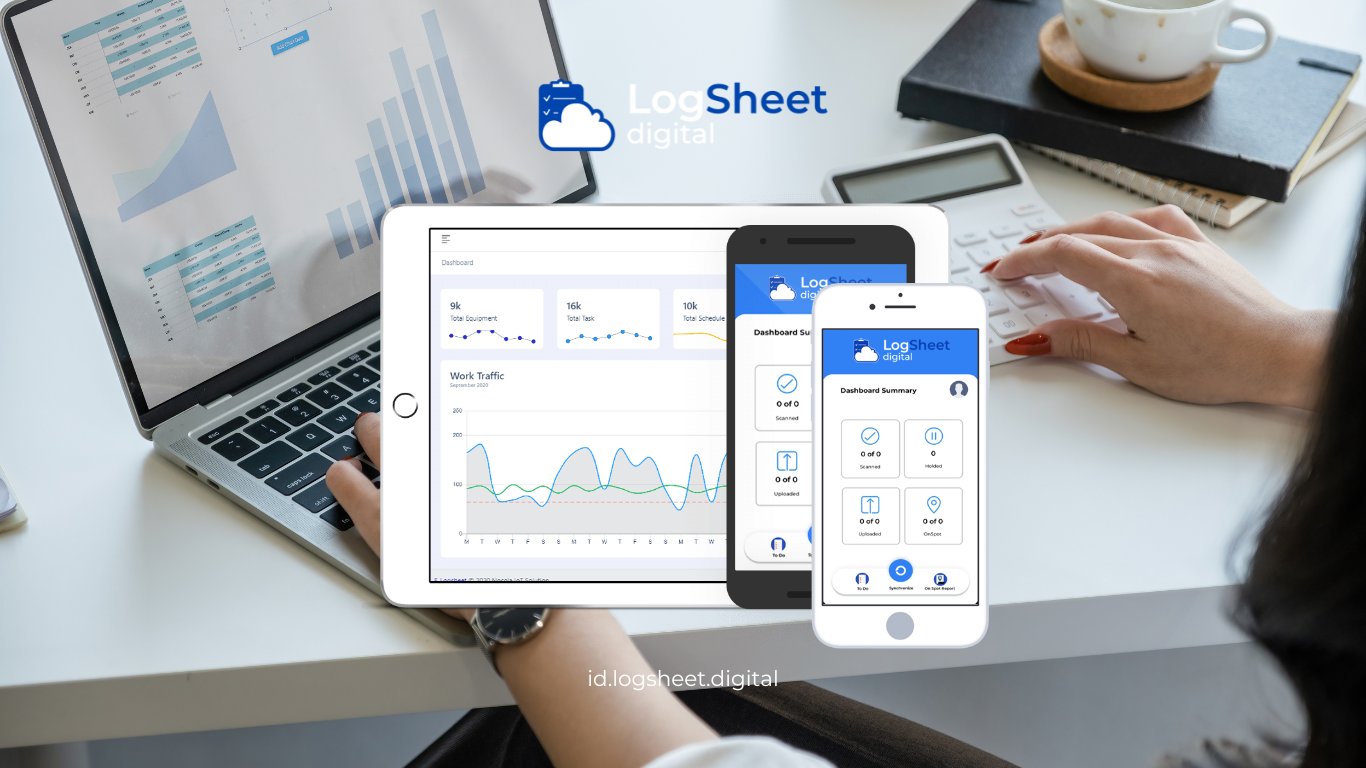
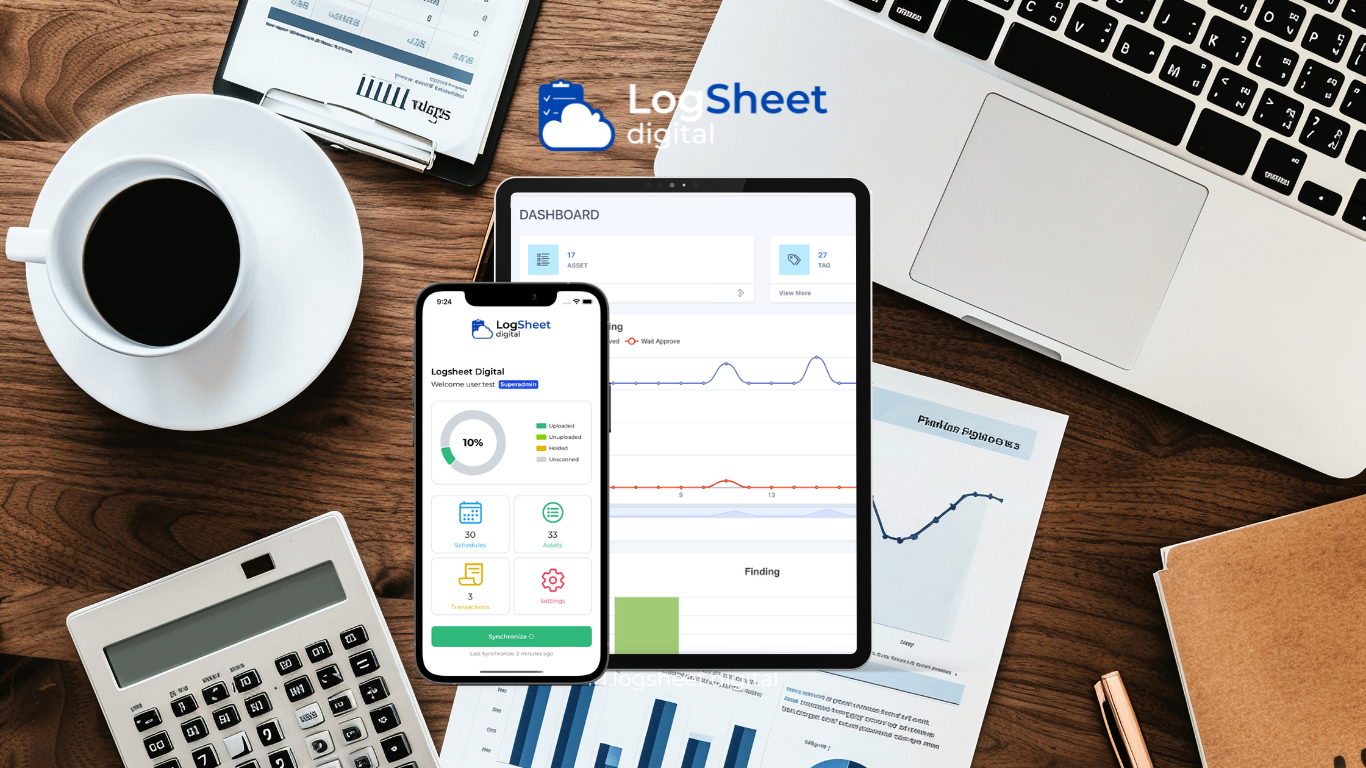
There is also a monitoring dashboard feature that displays data visually through charts or tables, helping management quickly understand operational conditions.
Another important feature is automatic notifications, which alert users when activities are not recorded or when anomalies occur, improving discipline and preventing errors.
Digital LogSheet also supports system integration, enabling connection with other systems such as ERP or asset management systems, making workflows more efficient.
Lastly, role-based access ensures that users can only access data according to their authority, maintaining data security and confidentiality.
Impact of Digital LogSheet on Efficiency and Transparency
Read Also : Digital Work Reporting: Why Digital LogSheet is Increasingly Needed
Implementing Digital LogSheet significantly improves operational efficiency. With faster and automated recording processes, employees can focus more on productive tasks.
Efficiency is also reflected in reduced paper usage and administrative costs. Companies no longer need to print and manage large volumes of physical documents.
In terms of transparency, Digital LogSheet allows stakeholders to access data directly, increasing accountability and minimizing data manipulation.
Management can easily conduct audits since all activities are systematically recorded with timestamps, making them traceable.
Furthermore, collected data can be analyzed to improve company performance, identify patterns, detect bottlenecks, and support data-driven decision-making.
Implementation Challenges and the Future of Digital LogSheet

Read Also : Integration of Digital LogSheet in Production Management
Despite its many benefits, implementing Digital LogSheet comes with challenges. One major challenge is employee adaptation to new systems, requiring proper training and time.
Companies must also ensure adequate technological infrastructure, such as stable internet connections and appropriate devices.
Data security is another important concern. Systems must have strong protection against cyber threats.
However, with rapid technological advancements, Digital LogSheet continues to evolve. Integration with technologies such as IoT, cloud computing, and artificial intelligence opens new opportunities in operational data management.
In the future, Digital LogSheet is expected to become part of a smart workplace ecosystem, where all work activities are automatically monitored and analyzed, improving efficiency, productivity, and competitiveness.
Conclusion
Digital LogSheet is a modern solution that addresses the challenges of recording work activities in the digital era. With advantages such as speed, accuracy, and transparency, it is an ideal choice for companies aiming to improve operational efficiency.
Through its advanced features, Digital LogSheet not only supports data recording but also enhances analysis and decision-making processes.
Although there are implementation challenges, the long-term benefits are far greater. With continuous technological advancements, Digital LogSheet will play a key role in driving digital transformation toward more modern and integrated work systems.



leave your comments